Comprehending the Different Types of Fences: Insights from Professionals
Fences serve numerous functions, from providing personal privacy and security to improving the aesthetic appeal of a residential or commercial property. Whether you're aiming to mark your boundaries or develop a cozy backyard retreat, understanding the different kinds of fences readily available can be frustrating. In this article, we'll dive into the different fencing alternatives, backed by insights from experienced fencing contractors. They know what works best for various situations and environments.
What Are the Main Purposes of Fences?
Fences are more than just barriers; they supply a number of essential functions:
- Security: Keeping your residential or commercial property safe from intruders.
- Privacy: Protecting your outside locations from prying eyes.
- Aesthetic Appeal: Enhancing the total look of your home.
- Boundary Definition: Plainly marking residential or commercial property lines to avoid disputes.
- Wind Protection: Providing shelter against strong winds.
Each purpose may require a various type of fence, which is why seeking advice from professional fence contractors can assist you make a notified decision.
Understanding the Different Kinds of Fences: Insights from Contractors
When it comes to choosing a fence, there's no "one size fits all." Various materials and styles accommodate various needs and preferences. Below is a thorough summary of some popular fencing choices that you might think about for your property.
1. Wooden Fences
1.1 Introduction of Wooden Fences
Wooden fences are classic and flexible. They can be customized in various styles such as picket, personal privacy, and split rail.
1.2 Benefits of Wooden Fences
- Natural Aesthetic: Blends well with nature.
- Versatile Design: Can be stained or painted in any color.
1.3 Drawbacks
- Requires regular maintenance to prevent rot and decay.
2. Vinyl Fences
2.1 What Are Vinyl Fences?
Vinyl fences are made from PVC (polyvinyl chloride) and have gained popularity due to their durability.
2.2 Advantages
- Low maintenance.
- Resistant to weather elements.
2.3 Disadvantages
- Higher preliminary cost compared to wood.
3. Chain Link Fences
3.1 Characteristics of Chain Link Fences
These are made from galvanized steel and are often utilized for security purposes.
3.2 Pros
- Affordable and simple to install.
3.3 Cons
- Limited visual appeal; doesn't offer privacy.
4. Metal Fences
4.1 Types of Metal Fencing
Commonly made from aluminum or wrought iron, metal fences include beauty while offering security.
4.2 Benefits
- Durable and lasting.
4.3 Drawbacks
- Costly compared to other materials.
5. Composite Fencing
5.1 What Is Composite Fencing?
Made from recycled wood fibers and plastic, composite fencing mimics wood fences however uses more durability.
5.2 Advantages
- Eco-friendly option with low maintenance needs.
5.3 Disadvantages
- Initial investment might be higher than wood or vinyl options.
6. Electric Fencing
6.1 Summary of Electric Fencing
This type involves wires that provide electric shocks when touched, mainly used for livestock containment.
6.2 Benefits
- Highly effective in keeping animals included; prevents intruders.
6.3 Threats Involved
Safety concerns for children and family pets must be thought about before installation.
7. Privacy Fencing
7.1 What Constitutes Privacy Fencing?
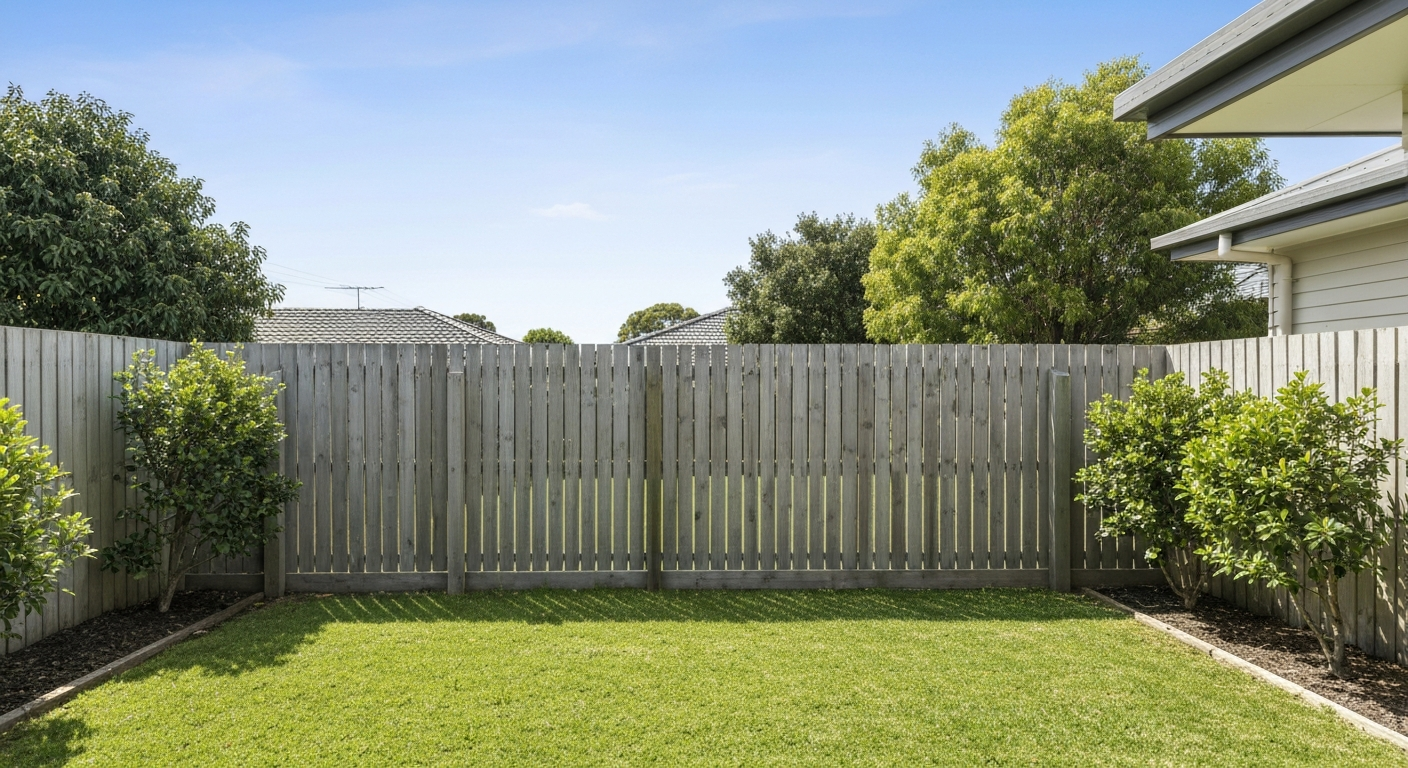
Typically taller than standard fences, personal privacy fences obstruct views completely with strong panels made from various products like wood or vinyl.
7.2 Advantages
best fence installation companyEnhanced personal privacy for backyards or swimming pool areas; exceptional sound reduction properties.
8. Security Fencing
8.1 What Is Security Fencing?
Designed specifically to prevent unapproved gain access to through its height, structure, and in some cases even barbed wire or spikes on top.
8.2 Secret Features
Increased height and robust building and construction products ensure optimum protection versus intruders.
FAQs about Picking the Right Fence
FAQ 1: What type of fence is best for my property?
Choosing the best fence depends on your specific needs-- personal privacy, security, looks, etc-- and the local environment conditions in addition to budget considerations.
FAQ 2: How do I maintain my wooden fence?
Regular painting or staining every few years will protect against rot, while yearly evaluations can capture problems early.
FAQ 3: Are vinyl fences worth the investment?
Yes! Although they have a higher upfront cost than wood fences, their toughness makes them cost-efficient in the long run.
FAQ 4: Can I set up a fence myself?
While do it yourself installation is possible for some fence types (like chain link), it's recommended to speak with fencing contractors for intricate installations.
FAQ 5: How high can my fence be?
Height constraints differ by local zoning laws; talking to your local council is important before installation.
FAQ 6: Do I require a license for my new fence?
Most jurisdictions require authorizations for brand-new setups unless it's a momentary structure; constantly confirm local guidelines before proceeding.
Conclusion
Understanding the various kinds of fences is important when thinking about a boundary structure around your home-- be it residential or commercial-- due to the fact that each type offers special benefits fit to particular requirements and preferences! From traditional wood designs that raise visual appeal to resilient vinyl alternatives that assure durability with minimal upkeep-- there's something out there for everyone!
By consulting experienced fence contractors in Melbourne-- or wherever you happen to live-- you'll gain insights customized particularly for your situation! So go ahead; take that daring plunge into fencing services developed just for you!
Are you all set to check out these interesting possibilities? Reach out today! With just a little assistance from experts who know what they're talking about when it boils down to all things fencing-- your dream backyard awaits!